

A Principal Said "No" to My Bible Club. Now What?

You've done your research. You know after school Bible clubs are legal. You've prepared your materials and gathered volunteers. Then you approach the school and hear one word: "No."

That moment can stop everything. But before assuming the door is closed, it helps to understand what that answer really means and what steps can come next.
School administrators carry a lot of responsibility. When faced with uncertainty, their default response is often caution.
A principal may say "no" because:
They are unfamiliar with facility use rules
They are concerned about complaints
They want to avoid legal risk
They are unsure how an after school Bible club works at the elementary level
In many cases, the answer reflects uncertainty rather than disagreement. Understanding this helps keep the response calm and productive.
Take Time to Ask Clarifying Questions
A respectful follow up can open the door to understanding.
Instead of reacting emotionally, consider asking:
"Can you help me understand what policy this decision is based on?"
"Are there specific requirements we did not meet?"
"Is there a district facility use policy we can review together?"
These questions keep the focus on policy and process rather than belief. Clarity often reveals that the issue is procedural, not philosophical.
Review the District Facility Use Policy

Most school districts have written guidelines for community use of school buildings.
These policies explain:
Who may use the facilities
What requirements must be met
How approval is determined
Requesting a review of the policy together shows respect and professionalism. If other non-school groups are allowed to meet after hours, the same opportunity should apply to a Bible club under equal access principles.
When to Involve the District Office
If a principal remains unsure or hesitant, it may be appropriate to contact the district office.
This does not mean escalating a conflict. It means seeking clarification from those responsible for policy interpretation.
A simple, calm inquiry can help ensure everyone is working from the same understanding.
Many issues are resolved at this level once policies are clearly applied.
Real-World Example of a Principal Saying No to a Bible Club:
One church leader in South Carolina received an initial no from a principal who was concerned about complaints. After requesting to review the district's facility use policy together, the principal realized the Bible club met all requirements. The club was approved within two weeks and has been running successfully for three years.
What do you do when God puts a school Bible club on your heart, but the principal isn't interested? Here's what happened when we faced that exact situation.
This is a story about two principals. One said yes right away. The other stayed hesitant.
The first school already had a full lineup of clubs: chess, running, karate, and more. When that principal welcomed the idea, we jumped into action: a team was formed, trained, and the club launched smoothly.
The second principal, though, remained reserved. That school had far fewer clubs to begin with, and she wasn't ready to add one more. So what did our team do? We prayed. Not once, but continually.
And God did what we couldn't. One day, the two principals ended up comparing notes on their after-school programs. The first principal couldn't stop talking about what the IMPACT KiDS! Club had done for her school : better attitudes, stronger discipline, more kindness, a genuinely happier student body. Her excitement sparked something. The second principal started asking questions. A few months later, she called us herself, ready to explore starting a club at her school too.
That's how God works . He changes hearts we can't change ourselves. And because of His faithfulness, persistent prayer, and a team that refused to give up, another after school Bible club is now sharing the best news the world has ever heard: the Good News of Jesus Christ.
How you respond matters.
What to Avoid When You Hear "No":
Becoming defensive or confrontational
Suggesting the school is acting unfairly
Posting frustrations publicly
Framing the situation as a personal rejection
These responses can make the situation harder to resolve and can strain relationships.
A steady, respectful approach keeps the door open.
If the Answer Remains "No"

There are times when a "no" may still stand due to neutral, legitimate reasons such as space limitations or scheduling conflicts.
If that happens:
Ask if there is a waiting list
Ask about alternative locations or times
Ask what would need to change for approval in the future
Keeping communication open preserves the relationship and leaves room for future opportunities.
Why Persistence Should Be Calm, Not Confrontational
Persistence does not mean pressure. It means patience. Schools remember groups that are respectful and cooperative. That reputation matters.
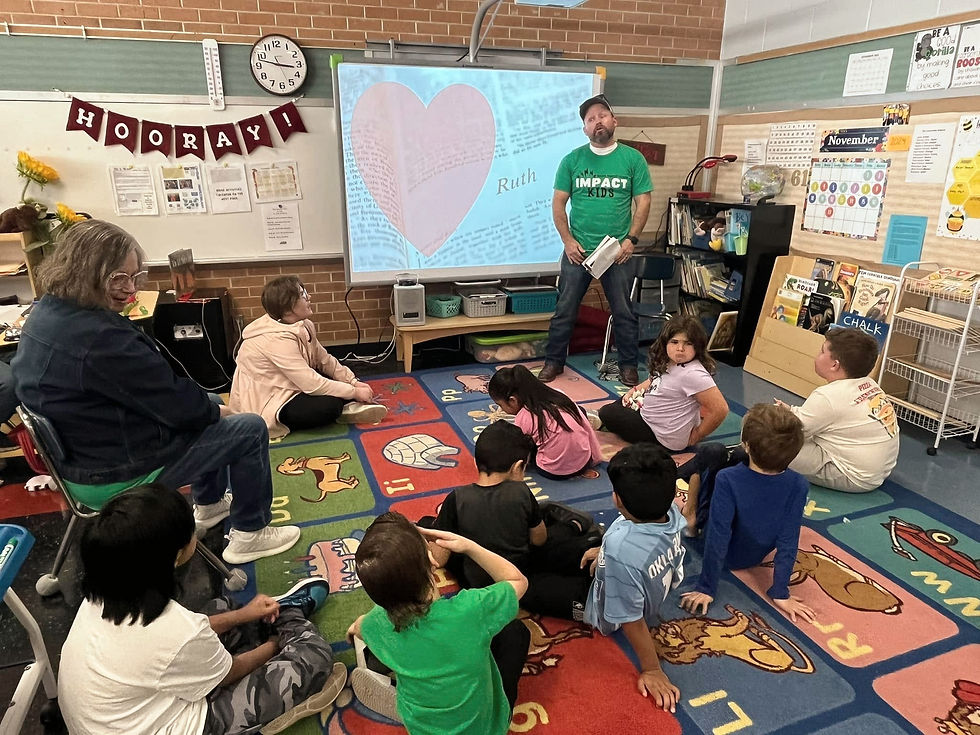
Many Bible clubs that operate today began with an initial "no" followed by thoughtful follow up. Patience often opens doors that force never will.
Moving Forward With Wisdom
A "no" can feel discouraging, but it does not have to be final. When people respond with clarity, respect, and knowledge of policy, they protect both their mission and the relationships involved.
Sometimes the next step forward begins with a thoughtful pause rather than a quick reaction.
Need help navigating the process?
We provide free resources, curriculum, and guidance for starting and sustaining after school Bible clubs. Reach out with your questions. We would love to help.
Remember, hearing "No Bible club," from a principal today doesn't mean "no" forever. With the right approach, many Bible clubs that were initially denied are now thriving.



Comments